


Specific Measures
Measuring and Monitoring Corrosion Rates
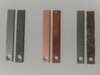
The metals in your systems are subject to corrosion, the extent of which varies depending on water quality and the treatments applied. Measuring corrosion rates allows you to monitor the effectiveness of the treatments and track changes in the surface condition of the equipment without draining the system.
To support farm operators, Aloès offers:
- Installation of a corrosion test specimen holder in a bypass of the circuit. The test specimens are then analyzed by our laboratory in accordance with the specified standard, at a predetermined frequency. A report ensures the traceability of the results.
- The use of the Corrater, a portable analyzer with an instantaneous digital display of corrosion rates, enables rapid inspections and corrective actions.
Let's work together to determine how much scale your water causes
Measuring the “Fouling Index” is an essential step in the feasibility study for installing a reverse osmosis unit.
This test involves passing the water to be characterized through a membrane and measuring the rate at which the membrane becomes clogged, in accordance with a standardized procedure. The results obtained validate the use of reverse osmosis, with or without specific pretreatment of the make-up water.
Aloès teams can perform this measurement on-site and prepare the corresponding report.
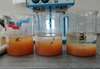
Choose the Right Polymer Treatment with the Jar Test
Aloès supports you in the physicochemical treatment of your wastewater.
To help you choose the coagulant and/or flocculant best suited to your needs (ALOPOLYM line), Aloès conducts on-site jar tests.
Following this study, the implementation of an industrial trial may be considered in order to validate the treatment under actual operating conditions.
Let's measure the dissolved oxygen in the feedwater for the boilers
To ensure that economizers and steam boilers are protected against corrosion, manufacturers require low residual oxygen levels in the feedwater.
Thermal regulation of the water in the tanks and the addition of an oxygen scavenger should ensure compliance with this requirement.
Aloès recommends occasional use of its dissolved oxygen analyzer in order to:
- Monitor changes in dissolved oxygen levels at the tank outlet,
- Verify the operation of a thermal degasser,
- Verify the effectiveness of current treatments,
- Optimize chemical treatments.